The Connection Between Fitness and Mental Wellness

We often think of fitness in terms of physical changes: building strength, improving endurance, or feeling more confident in our bodies. But movement can offer so much more than physical benefits. Regular exercise can also support our mental health, improve our mood, and help us feel more connected to ourselves.
At The Banfill Collective, we believe movement is about more than how you look. It’s about how you feel, how you care for yourself, and how you show up in your everyday life.

1. Movement Can Improve Your Mood
Have you ever finished a workout feeling a little lighter, calmer, or more energized than when you started? There’s a reason for that.
Physical activity influences brain chemistry and can help reduce feelings of stress and anxiety while supporting a more positive mood. Exercise is also associated with improvements in symptoms of depression for many people.
You don't need an intense workout to experience these benefits. A Pilates flow, a walk outside, a barre class, or a few minutes of gentle stretching can all be meaningful ways to move your body.
The goal isn't to push yourself to exhaustion. It's to find movement that helps you feel good.

2. Exercise Helps Manage Everyday Stress
Between work, relationships, responsibilities, and the constant demands of everyday life, stress can build up without us even realizing it.
Movement can provide a healthy outlet for that stress. Exercise may help regulate the body's stress response, while activities that emphasize controlled breathing and mindful movement can encourage you to slow down and focus on the present moment.
Practices like Pilates and barre combine intentional movement with concentration, helping you temporarily step away from your to-do list and reconnect with your body.
Even a short movement break can give you space to reset.
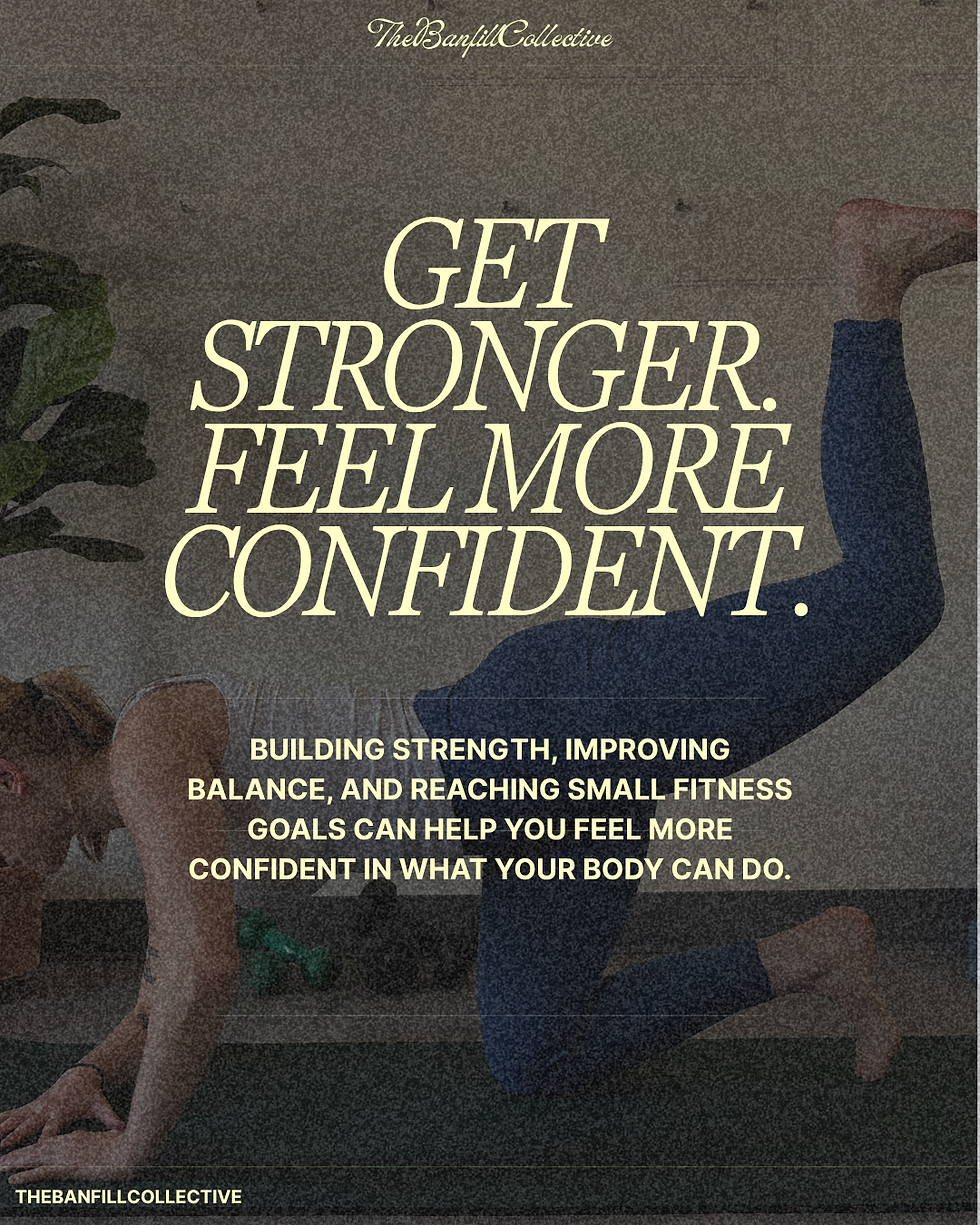
3. Strength Training Can Build Confidence Beyond the Gym
Getting stronger isn't only about lifting heavier weights or mastering a challenging exercise. It's also about recognizing what your body is capable of.
As you practice new movements, improve your balance, or notice your endurance increasing, you may begin to develop a stronger sense of confidence in your abilities.
Strength training and other forms of exercise can also create opportunities to set realistic goals, work toward them, and celebrate your progress.
Remember that progress looks different for everyone. Some days, success might mean challenging yourself. Other days, it might mean choosing a gentler workout or simply showing up.
Both count.

4. Consistent Movement Can Support Better Sleep
Sleep and mental wellness are closely connected. When we're stressed or overwhelmed, getting enough restful sleep can become more difficult. In turn, poor sleep can affect our mood, energy, and ability to manage daily challenges.
Regular physical activity is associated with better sleep quality and can help some people fall asleep more easily.
Finding a consistent movement routine that works with your schedule can be one way to support healthier sleep habits. Pairing exercise with other restorative practices, such as a calming evening routine and consistent sleep times, may offer additional benefits.
You don't need to work out every day to establish a routine. Start with a realistic schedule that you can maintain.

5. Mindful Movement Helps You Reconnect With Yourself
It's easy to spend the day moving from one responsibility to the next without checking in with how we're actually feeling.
Mindful movement creates an opportunity to pay attention to your breathing, posture, strength, and physical sensations. Instead of focusing exclusively on calories burned or how your body looks, you can focus on what your body is experiencing.
Pilates, barre, mobility work, and slower strength sessions can all encourage this kind of awareness.
Over time, movement can become more than another task on your calendar. It can become a way to create space for yourself, practice self-care, and appreciate what your body allows you to do.

6. Consistency Matters More Than Perfection
One of the biggest barriers to building a fitness routine is feeling like every workout needs to be long, intense, or perfectly planned.
In reality, the most helpful routine is one that fits into your life.
You might have a week when you feel motivated to complete several strength and Pilates sessions. Another week, a few short workouts and walks may be more realistic. Both can contribute to a healthier relationship with movement.
General physical activity guidelines recommend that adults work toward at least 150 minutes of moderate-intensity aerobic activity each week, alongside muscle-strengthening activities on two or more days. However, any amount of movement can be a worthwhile starting point, especially if you're building a new habit.
Rather than asking yourself, “Did I do enough?” try asking, “What kind of movement would support me today?”
That small shift can help make fitness feel less like an obligation and more like a sustainable form of self-care.
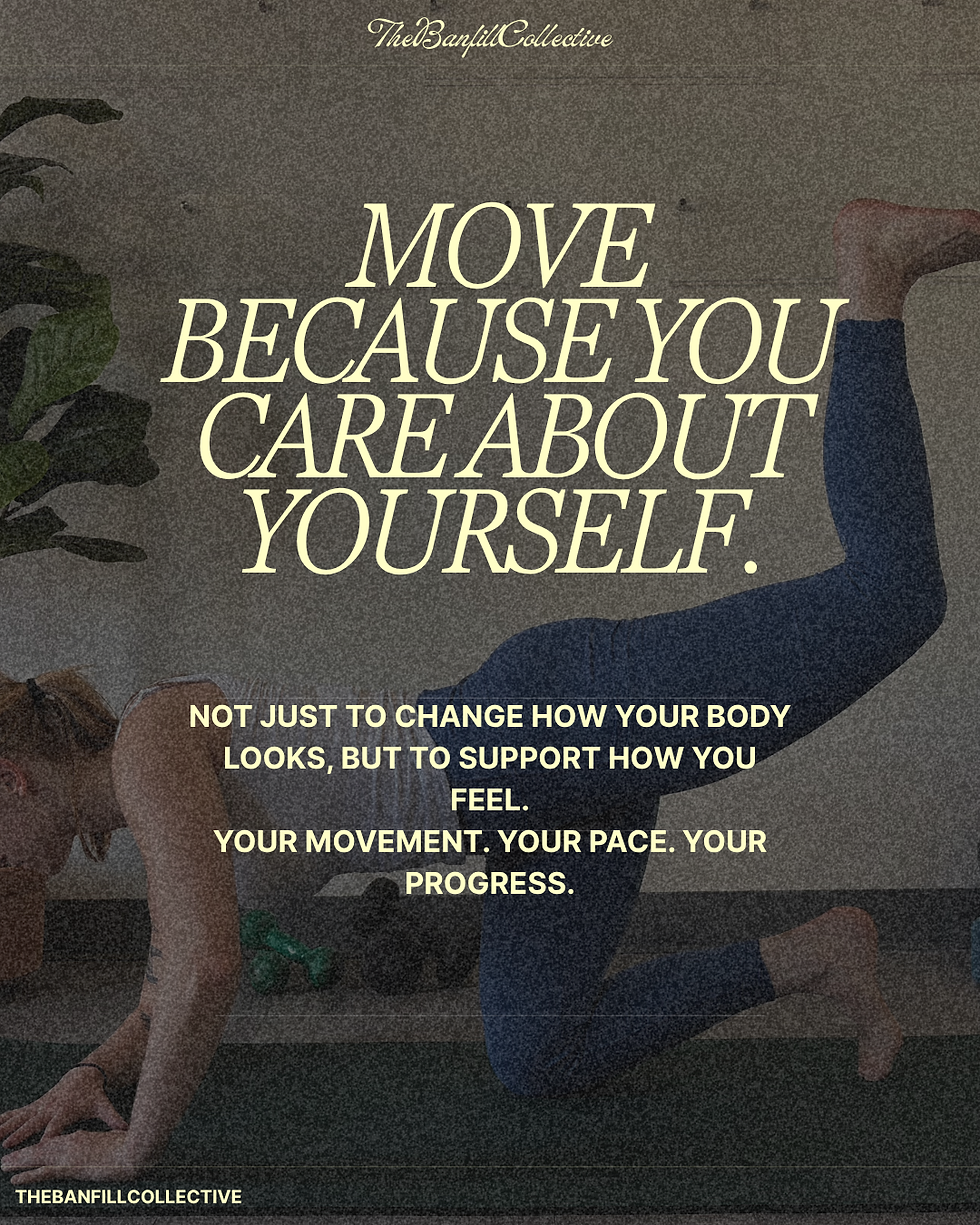
Finding Your Own Connection Between Fitness and Mental Wellness
Exercise isn't a replacement for professional mental health care, and it won't eliminate every difficult day. But when it becomes part of a balanced lifestyle, movement can be a valuable tool for supporting both physical and mental well-being.
Start with activities you genuinely enjoy. Choose a pace that feels manageable. Give yourself permission to modify your workouts, rest when needed, and celebrate progress that has nothing to do with appearance.
Whether it's a challenging sculpt session, a focused Pilates flow, a barre class, or a simple walk outside, movement can be an opportunity to invest in yourself.
You don't have to move to change your body. You can move to care for it.
At The Banfill Collective, we're here to help you build strength, find balance, and create a fitness routine that supports you both inside and outside the studio.
Your movement, your pace, your progress.


Comments